Professional Adding a Second Roof Layer
When is Roof Recovery Legally Allowed Under Florida Building Code?
For residential and commercial property owners in South Florida, installing a second roof layer is a highly regulated, cost-effective alternative that requires strict compliance with local local building department rules.
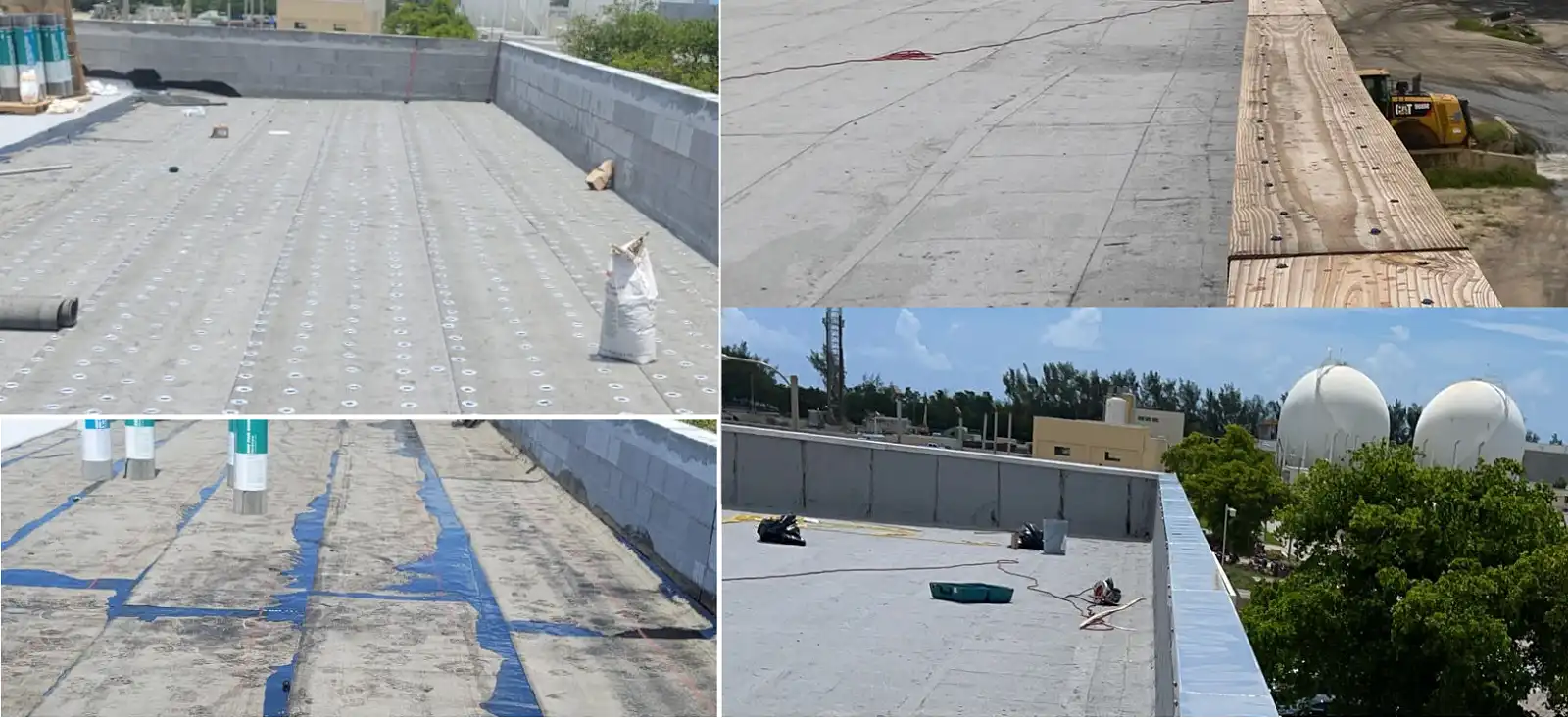
What Is Roof Recovery and What Are the Legal Florida Building Code Rules?
Roof recovery, also known as roof overlaying or re-roofing, is a code-compliant structural process that physically involves applying a new roofing membrane or shingle layer directly over an existing system without performing a full tear-off. Under Florida Building Code Section 1511, a roof recovery is legally permitted only if the building has a single existing layer, the underlying structural wood deck and insulation are dry and sound (less than 30% moisture saturation), and the existing system is securely attached.
Laying a second roof layer is strictly prohibited if the building already has two layers installed, or if physical core testing reveals wet, rotted structural sheathing beneath the original layer. All recoveries must feature hurricane-rated fasteners that anchor directly into the structural deck rafters to withstand extreme wind uplift.
Why Property Owners Choose a Second Roof Layer over a Full Structural Tear-Off
A professionally installed second roof layer provides ultimate peace of mind, double physical moisture protection, and significant upfront financial savings. Choosing a code-compliant roof recovery reduces structural demolition, hauling labor, and commercial dumpster fees, lowering the initial project cost by up to **30% to 50%**.
It is the most practical decision for flat low-slope commercial properties, retail plazas, and residential homes with sound structural decks that require immediate storm protection with minimal operational disruption. Our licensed local crews verify each system's structural capacity, ensuring your second layer complies with High-Velocity Hurricane Zone (HVHZ) guidelines across South Florida.
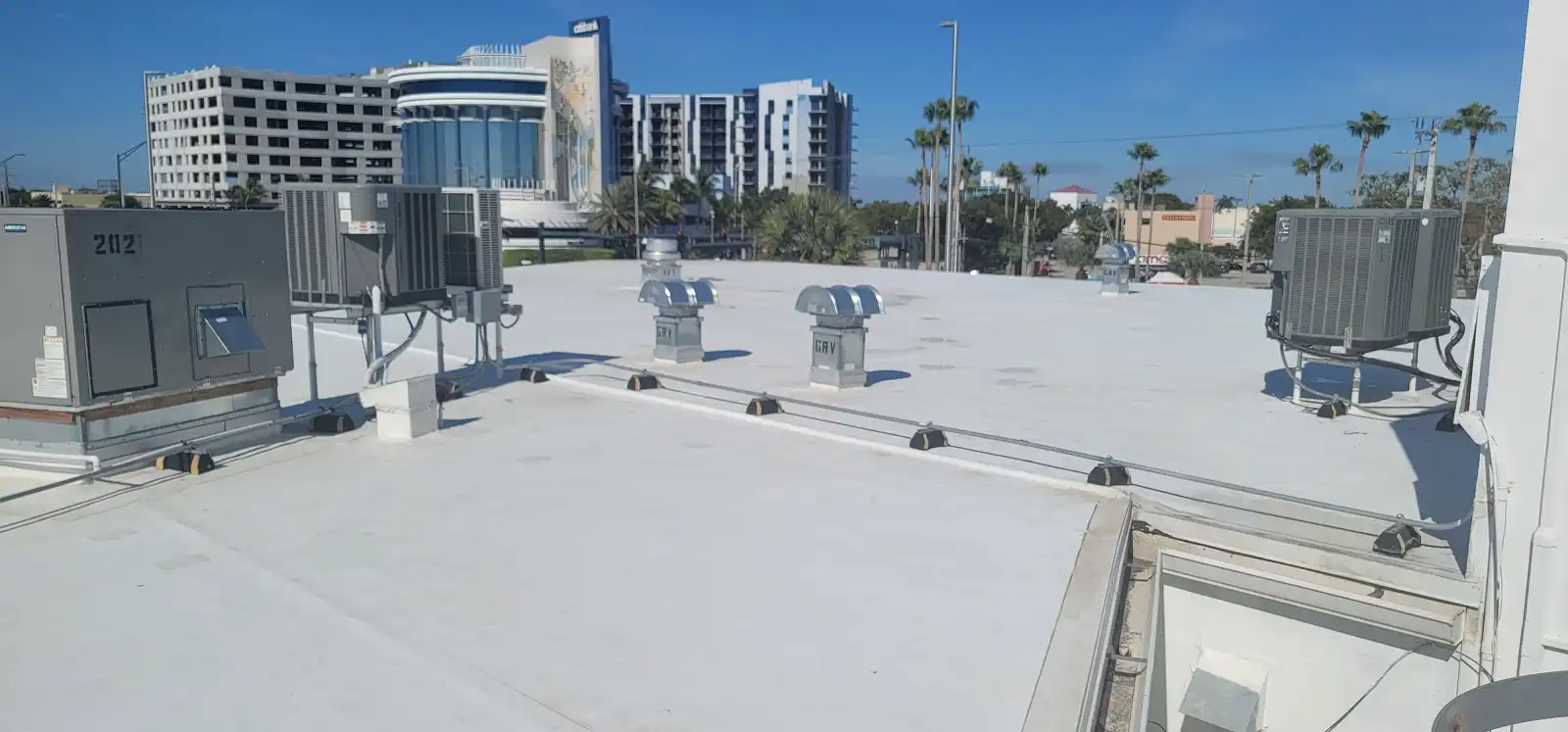
How Long Does a Recovered Second Roof Layer Last in South Florida?
A professionally installed second roof layer typically lasts between **15 and 25 years** in South Florida, depending heavily on the material selected, attic ventilation quality, and wind exposure. High-quality single-ply TPO or PVC flat roof overlays generally endure 15 to 20 years, while standard architectural asphalt shingle overlays protect homes for up to 15 years, and premium silicone restorations offer 10 to 15 years of waterproof life.
Because laying a second layer traps slightly more heat within the structural plywood deck, South Florida's intense UV radiation can accelerate the aging of the upper layer faster than a single roof on a blank deck. Opting for highly reflective white membranes is essential to mitigate this thermal load and maximize your system's real-world longevity.
What Shortens Recovered Roof Life in South Florida
- Trapped moisture in the original layer causing hidden wood rot and deck deterioration.
- Excessive attic heat build-up baking the dual layers from beneath due to poor ventilation.
- Substandard mechanical fastening failing to anchor the new fasteners directly into structural rafters.
- Severe storm winds and flying debris that lift overlay edges and cause mechanical peel.
- Ponding water on flat low-slope surfaces dissolving adhesives and degrading membrane seams.
Tear-Off vs. Overlay: When Can Your Roof Be Recovered vs. Fully Replaced?
When a second layer roof recovery is legally permitted:
A second layer roof recovery is the smarter, code-approved decision when your building currently has only 1 installed roof layer, the underlying structural wood deck is completely dry and structurally sound, and physical core testing shows less than 30% moisture saturation. Laying a second TPO membrane or shingle layer over a sound deck stops active leaks, avoids expensive tear-off labor, and keeps building operations completely uninterrupted at a fraction of full replacement costs.
When a complete structural tear-off and replacement is legally mandatory:
A complete structural replacement is legally required under Florida Building Code Section 1511 if your structure already has two installed roofing layers, has active water rot across more than 30% of the wood deck, or has rotted structural rafters. Furthermore, many Florida property insurance carriers are refusing to renew policies on roofs older than 15 years with an overlay, making a complete code-compliant tear-off critical to maintain coverage. An honest commercial roofing contractor will perform diagnostic core testing to show you the exact condition of your deck, helping you choose the safest, most cost-effective path.
The right answer always starts with a professional inspection-Planet Roofing provides free physical assessments and core tests for roof recovery throughout South Florida.
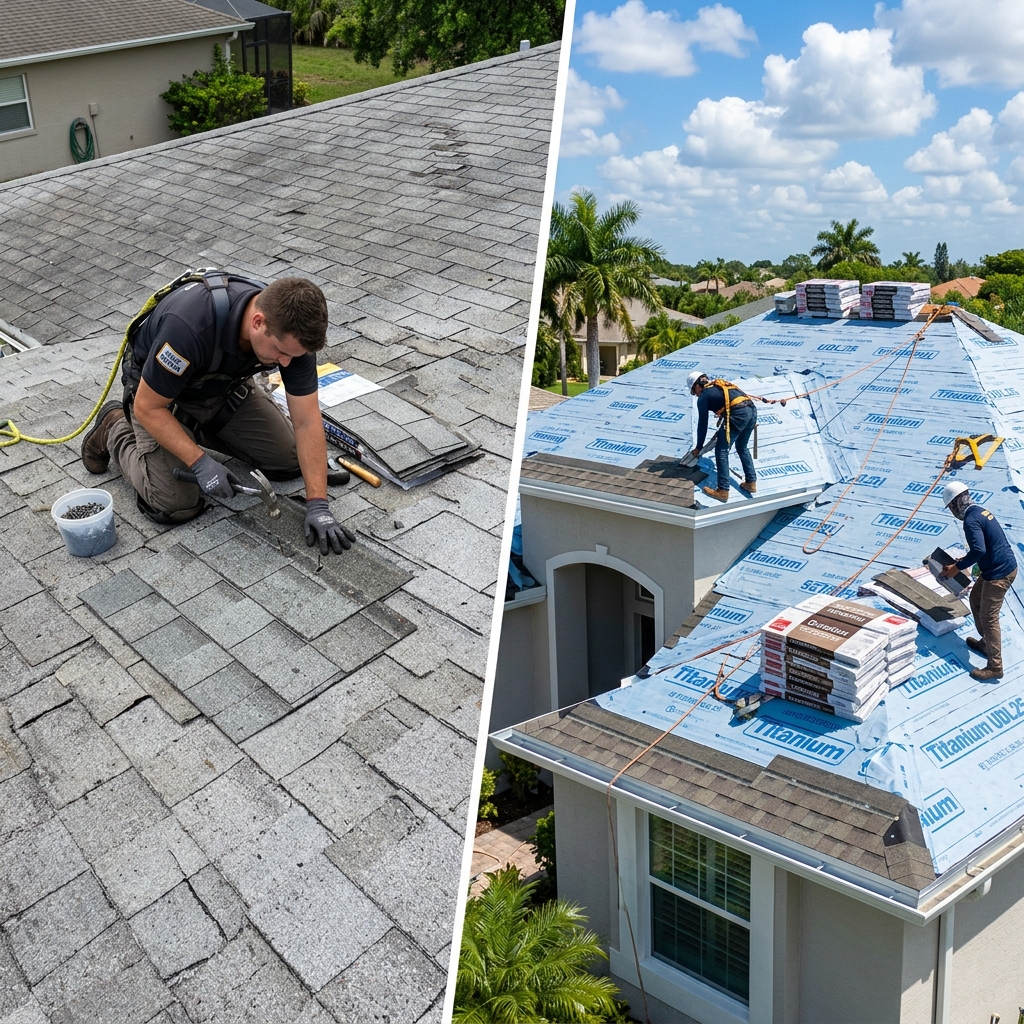
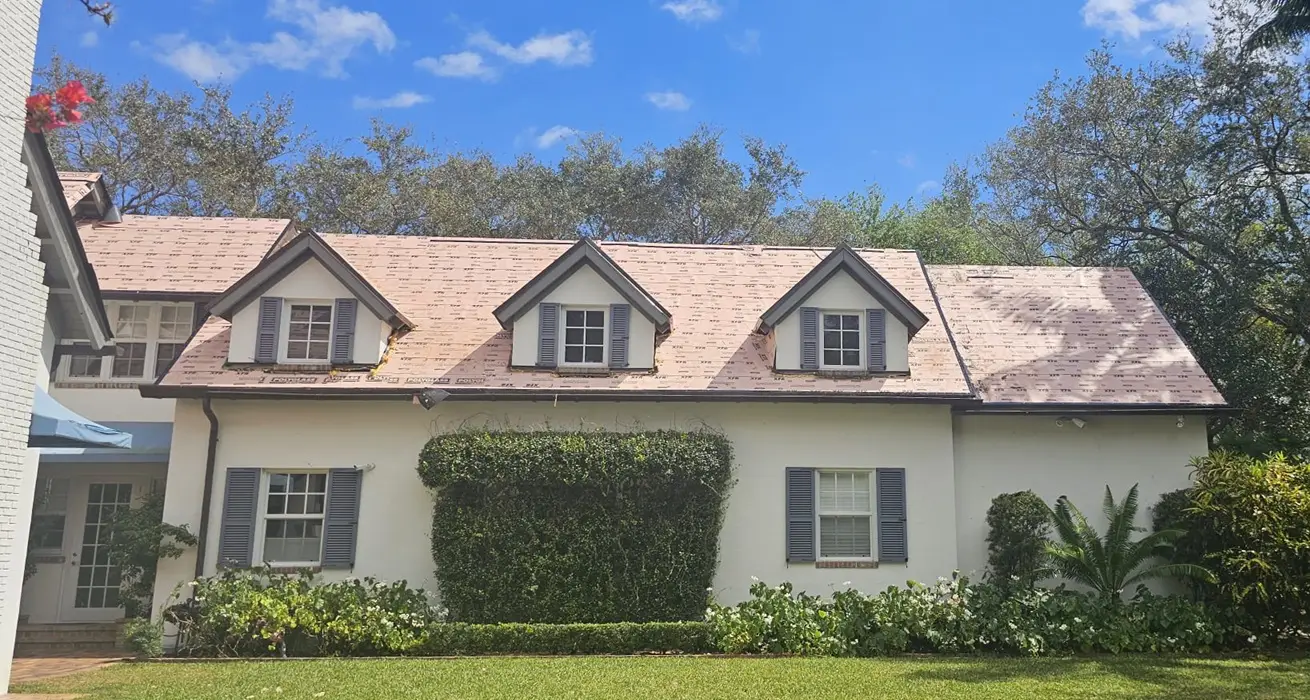
Our Code-Compliant Roof Recovery Process-From Moisture Testing to Sign-Off
- 1. Physical inspection & core testing - Our commercial specialists conduct visual checks and drill structural core samples to verify that the underlying deck is dry.
- 2. Roof surface preparation - We sweep the existing surface, replace any localized bad shingles or tiles, and pressure clean the original layer.
- 3. Underlayment & barrier installation - We apply high-performance secondary water barriers in compliance with strict HVHZ codes.
- 4. Second layer application - Our certified crews mechanically attach or thermal-weld the new TPO membrane or shingle layer, anchoring directly into the rafters.
- 5. Perimeter flashing & detailing - We secure metal drip edges, coping caps, and seal plumbing stacks to code.
- 6. City code inspection & closure - local building inspectors perform physical checks, verify engineering approvals, and sign off the permit.
All roof recovery and overlay work in South Florida requires a building permit - Planet Roofing (license CCC1329271) coordinates every permit, engineering calculation, and city inspection, ensuring your second layer complies with all High-Velocity Hurricane Zone (HVHZ) guidelines.
High-Velocity Hurricane Zone Standards: Building Code Compliance for South Florida Recoveries
South Florida structures are subject to some of the strictest building codes in the nation due to our location within Florida's High-Velocity Hurricane Zone (HVHZ), governed by Florida Building Code Section 1504.
For a second roof layer to be code-approved, the fasteners of the new overlay must penetrate completely through the first roof and anchor directly into the structural wood decking or concrete joists. Proximity to Intracoastal salt air also requires premium corrosion-resistant hot-dipped fasteners to prevent severe wind uplift failure under 150+ mph storm conditions. Planet Roofing designs every recovery system with HVHZ-certified mechanical fasteners to ensure your second layer stands up to South Florida's extreme weather.
Common Questions About Roof Recovery and Second Layers
How much does roof recovery cost in South Florida compared to replacement?
Laying a second roof layer typically costs **$5.00 to $10.00 per square foot**, representing a **30% to 50% savings** compared to a full structural tear-off because it eliminates demolition, major hauling labor, and landfill disposal fees. Planet Roofing provides free, detailed written estimates and flexible financing plans to fit your budget.
What is the maximum number of roof layers legally allowed in Florida?
Florida Building Code Section 1511 strictly permits a maximum of **two roofing layers** on any residential or commercial structure. If your building already has two layers installed, a complete structural tear-off down to the structural sheathing is legally mandatory before any new roofing material can be applied.
How do you test if an old roof qualifies for a second layer recovery?
We perform physical visual inspections and drill structural core samples to verify the complete absence of trapped moisture in the existing insulation and wood deck. If more than 30% of the underlying insulation is wet, or if structural rafters are rotted, the roof does not qualify and must be fully replaced.
Does adding a second roof layer require a permit in South Florida?
Yes, all roof recoveries and overlays strictly require a building permit and engineering product approvals in South Florida. Performing unpermitted roofing is illegal, voids manufacturer warranties, and can lead to local building code enforcement fines or policy cancellations.
Will a second roof layer affect my property insurance in Florida?
It can. While a code-compliant second layer is fully legal, some Florida property insurance carriers have strict internal guidelines regarding roof age and overlay structures. Planet Roofing provides comprehensive photo logs and engineering product approval documentation to support your policy renewal.
What credentials should I verify before hiring a roof recovery contractor in South Florida?
Always verify that the contractor holds an active Florida roofing license (such as Planet Roofing's CCC1329271) and carries full general liability and workers' compensation insurance. Ensure they possess direct factory certifications (GAF or CertainTeed) to validate long-term warranty eligibility and have an A+ BBB rating.
Need a Licensed Roof Recovery Contractor?
Call Planet Roofing today for roof repair, roof replacement, roof inspection, financing options, and code-compliant roofing service in Broward County and South Florida.
Schedule a Roofing Inspection or Estimate
An on-site evaluation can help identify visible roof damage, possible leak sources, maintenance concerns and suitable repair or replacement options.
Planet Roofing serves residential and commercial property owners throughout Broward, Miami-Dade and Palm Beach counties. Contact our team to discuss your roof type, current concerns and project schedule.