Installing a highly durable roof in Fort Lauderdale requires a strict, multi-phase structural process to ensure long-term storm resilience and code compliance. From pulling the correct municipal building permits to passing final county inspections, each phase must be executed with professional precision. Homeowners who understand these essential phases can make informed decisions, protect their investments, and achieve complete peace of mind.
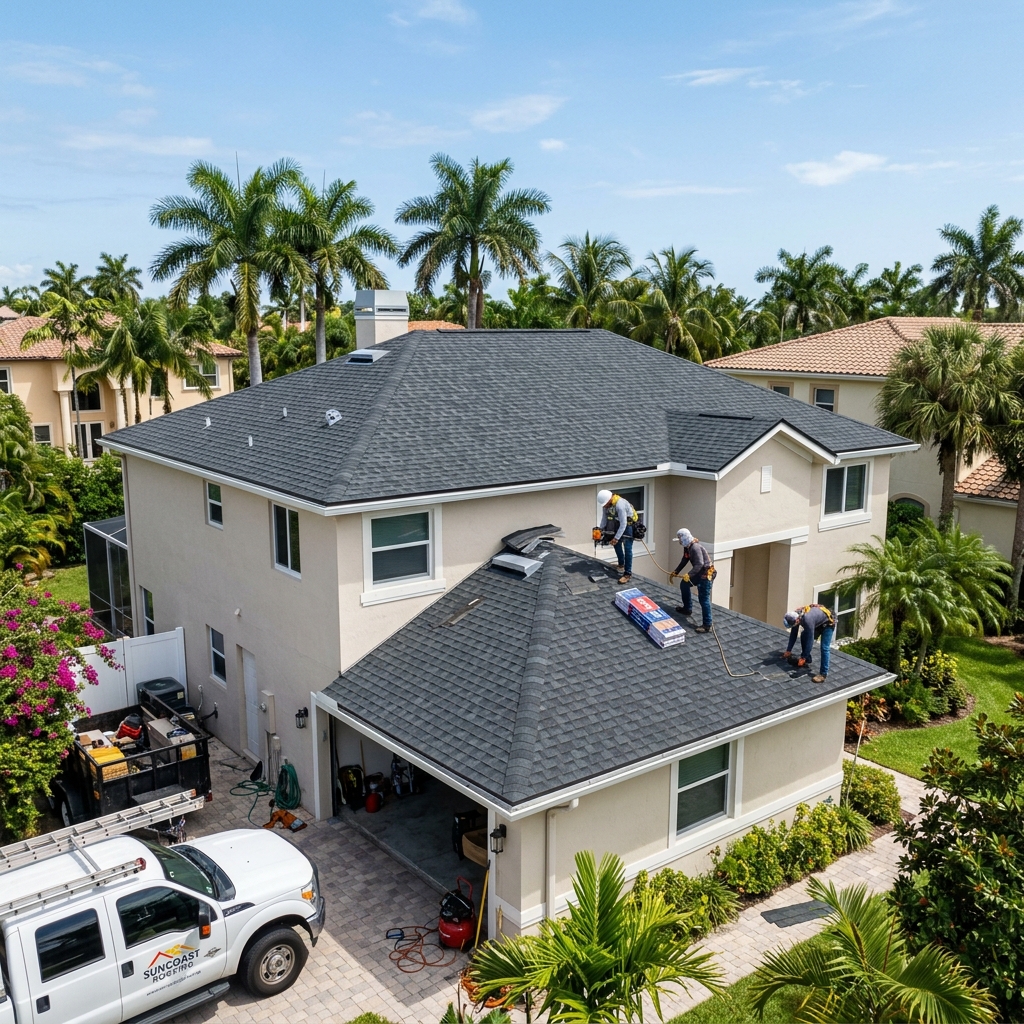
Why the South Florida Roofing Process Requires Strict Code Compliance
In Broward County, installing a new roof system is not just about putting new shingles or tiles in place. The local building department enforces some of the most rigorous codes in the world to safeguard properties against hurricane-force winds. Skipping a single step, such as failing to document the deck nailing pattern or using incorrect underlayments, can result in inspection failures, legal fines, and denied insurance policies. A professionally executed, step-by-step process is crucial to guarantee your structural investment is secure and completely compliant.
Pulling Local Permits and Securing Product Approval
Before any physical work begins, a detailed permit application must be submitted to the Fort Lauderdale building department. This package includes manufacturer product approvals that verify the shingles, underlayment, and fasteners are certified to withstand local wind pressures. Work cannot legally commence until these documents are approved and the permit card is posted.
Tearing Down to the Plywood and Inspecting the Deck
A durable installation requires removing the old roofing materials completely down to the bare wood deck. Once exposed, the structural deck is inspected for water damage, wood rot, or sagging sections. Any compromised plywood sheets are immediately replaced with sheathing to establish a solid, decay-free foundation for the new system.
Nailing the Wood Deck to Meet HVHZ Wind Patterns
South Florida building regulations require the wood deck to be nailed using a specific spacing pattern to resist high wind uplift. Workers must use specific ring-shank nails driven at six-inch intervals along the edges and twelve-inch intervals in the field. This critical step must be inspected and documented before the underlayment is applied.
Applying the Secondary Water Barrier and Underlayment
A dual-layer moisture barrier is installed over the clean wood deck to provide ultimate leak protection. A self-adhering, high-temperature underlayment is rolled out across the entire surface, sealing around nail penetrations. This secondary water barrier prevents water intrusion even if the exterior shingles or tiles are damaged during a storm.
Adhering to Broward County HVHZ Standards and Mandatory Inspections
Every roof replacement in Broward County must undergo a series of mandatory inspections performed by certified building officials. These include a roof deck inspection to verify the deck fastening pattern, a tin-cap or underlayment inspection, and a final inspection of the finished shingles, flashing, and vents. Partnering with a state-certified contractor ensures every phase is documented correctly, securing your wind mitigation credits and lowering your homeowners insurance premiums.
Essential Steps to Prepare Your Home for Roof Installation
To ensure a smooth and stress-free roof replacement process, proactive preparation is highly beneficial. Here are the key steps you should take before the physical work begins on your property:
- Schedule a Professional Roof Inspection: Work with a licensed roofing contractor to inspect the roof deck and ventilation before pulling permits.
- Clear the Perimeter Around Your Home: Remove vehicles from the driveway and move outdoor furniture or potted plants away from the roofline to prevent accidental damage.
- Protect Your Attic and Interior Belongings: Cover items in your attic with plastic sheets, as the vibration during installation can cause minor dust and loose debris to fall.
- Notify Your Neighbors in Advance: Inform your neighbors about the planned dates of the project, as roofing involves heavy equipment and elevated noise levels.
- Review the Final Inspection Report: Ensure the contractor provides copies of all passed city inspections, material warranties, and wind mitigation certificates for your permanent records.
Frequently Asked Questions
What are the primary steps involved in a professional roof installation in Florida?
A professional roof installation involves pulling building permits, removing all old materials, inspecting and re-nailing the wood deck, installing a secondary water barrier, laying the final shingles or tiles, and passing mandatory building inspections. The experienced team at Planet Roofing manages this entire process to ensure full compliance with the Florida Building Code.
How long does the physical roof installation process take in Fort Lauderdale?
The physical installation of residential roofing materials generally takes between three to five days of active labor on-site. However, the pre-construction permit approval phase can take several weeks, and scheduling the final city inspection may add another week to the total timeline.
Is a city building permit required for roof repairs in Broward County?
Yes, a municipal building permit is required for any significant roof repair or replacement in Broward County to ensure the work meets local High Velocity Hurricane Zone (HVHZ) safety standards. Hiring a licensed contractor who pulls official permits protects you from city code violations and ensures your insurance policy remains valid.
Can a homeowner save money by doing a DIY roof replacement?
No, a DIY roof replacement is highly discouraged due to the extreme safety risks, strict Florida building codes, and complex permitting rules. Homeowners insurance carriers will not insure a self-installed roof, and building inspectors require state-licensed contractors to complete the structural fastening.
What is the typical budget for a complete roof installation in South Florida?
The budget for a complete residential roof installation in South Florida generally ranges from $9,000 to over $30,000, depending on the square footage, complexity, and materials selected. Homeowners should request a detailed written estimate from a certified local contractor to understand all permit, labor, and material costs.