Finding a water leak inside your home can feel like a race against the clock. In South Florida, where heavy afternoon storms and sudden tropical downpours are common, even a small drip can quickly escalate into a major headache. Water dripping from the ceiling or running down drywall can cause structural rot, ruin ceiling boards, damage insulation, and create an environment for mold growth. Understanding how to track down the source of a leak early helps you protect your home and prevent costly structural repairs.
Step 1: Check the Interior Ceiling and Walls for Stains
Your search should begin where the evidence is most obvious. Walk through your home and closely examine ceilings and walls for any signs of water intrusion. Look for circular, brownish, or dark yellow stains. Drywall that appears bubbled, paint that is peeling, or walls that feel damp to the touch are key warning signs. In rooms with vaulted ceilings, water can run along rafters, meaning the stain on your drywall might be several feet away from the actual point of entry on the roof. Mark the boundaries of the stain with a light pencil to track whether it expands after the next rainstorm.
Step 2: Inspect the Attic Space with a Flashlight
If your property has an attic, grab a bright flashlight and carefully step inside. Be extremely cautious and walk only on the sturdy ceiling joists; stepping on drywall can cause you to fall through the ceiling. Turn off the attic lights and look around. Sometimes, you can see daylight peeking through a hole or crack in the decking. Next, shine your flashlight along the rafters and the underside of the roof deck. Look for dark mold patches, damp wood, black rot, or water trails that glisten in the light. Tracking these damp paths upward will usually lead you to the exact source of the leak.
Step 3: Track Down Common Roof Penetrations and Transitions
Most roof leaks do not occur in the middle of a clean shingle field. Instead, they happen at transition points, valleys, and where items penetrate the roof surface. Inspect these critical areas closely:
- Plumbing Vents and Pipes: Rubber boots around plumbing pipes can crack, dry rot, or tear over time under the intense Florida sun.
- Chimneys: Damaged counter-flashing or cracked mortar joints are notorious for letting water sneak behind the roofing system.
- Skylights: Condensation or failed sealant barriers along the frame are frequent culprits for active drips.
- Valley Areas: Roof valleys handle a high volume of water runoff; debris buildup can back up water beneath shingles or tiles.
Step 4: Conduct a Controlled Hose Test
If the weather is dry but you suspect a hidden leak, a simulated rain test is an excellent way to pinpoint the entry point. This requires two people for safety and accuracy. One person should stay inside the attic with a flashlight to watch for moisture. The other person stays on the ground or a secure ladder with a garden hose. Begin spraying water on the lowest section of the roof first, right above the leak's interior location. Wet that specific area for five to ten minutes before moving higher. When the person inside notices water dripping, they should alert the person with the hose. This step helps narrow down the exact penetration point.
Step 5: Identify Damaged Shingles or Flashing Outside
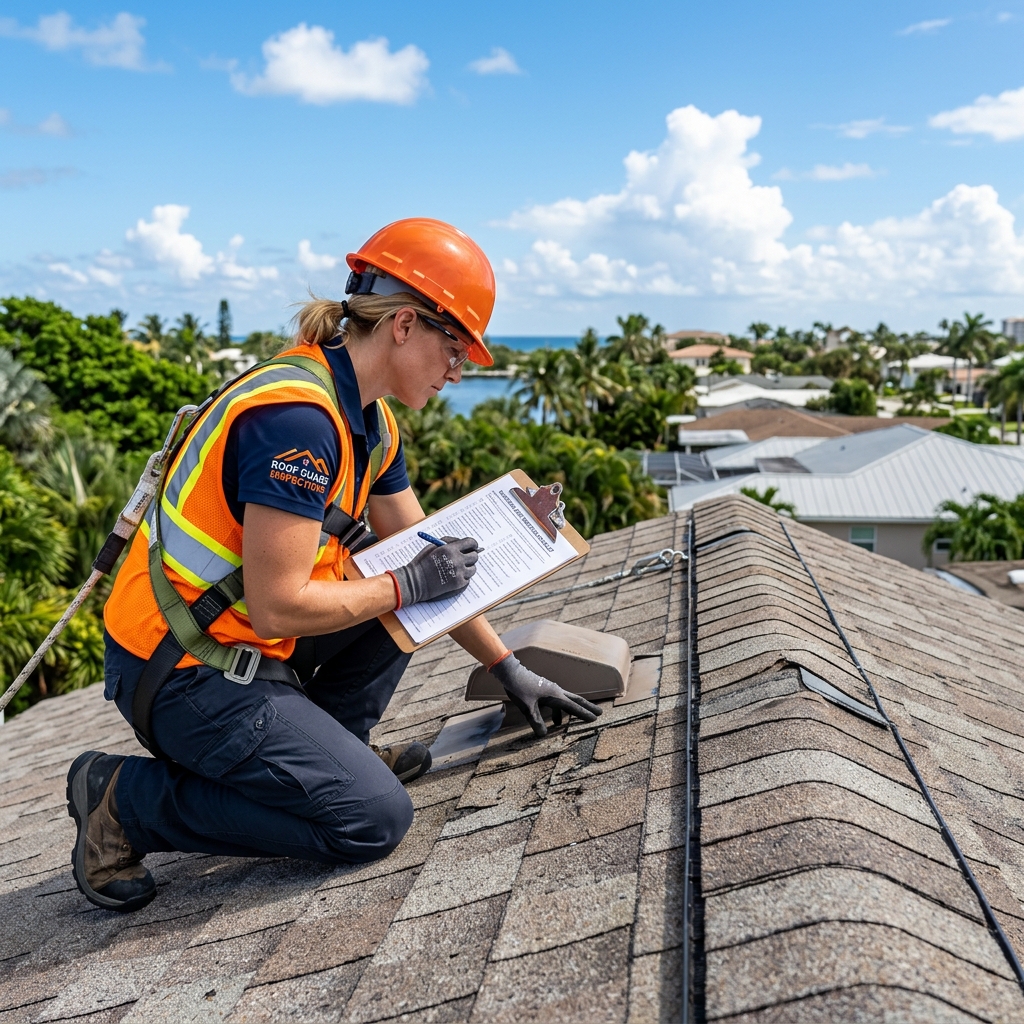
Once you have narrowed down the general area, examine the exterior roof surface from a safe vantage point. On asphalt shingles, look for missing, curled, buckled, or cracked shingles, as well as areas where protective granules have worn away. For tile roofs, check for cracked clay or concrete pieces that have slid out of place. For metal roof installations, look for loose fasteners or failing seals around the joints. If you see rusted flashing or exposed underlayment, water is likely penetrating the system during heavy winds.
Takeaway: Plan a Professional Inspection Early
Locating a leak is only the first step. Taking care of repairs quickly prevents minor drips from turning into massive home damage. While small flashing seal touch-ups might seem manageable, high-altitude work on steep slopes can be hazardous. Furthermore, water often travels along structural elements, making the true source of a leak difficult for an untrained eye to find. Seeking a certified professional ensures that structural repairs are handled in compliance with local Broward County codes and standard manufacturer warranties.
Roof Leak FAQ
How much does a typical roof leak repair cost in Broward County?
Roof leak repair costs in South Florida vary based on severity, material, and height. Minor shingle patches can cost a few hundred dollars, while complex flashing or valley repairs on tile or metal roofs can run from $500 to over $1,500.
Why is it unsafe to perform a DIY roof leak inspection on a steep roof?
Performing your own inspection on a high or steep slope poses severe safety risks, including falls. Additionally, walking on fragile clay tiles or metal panels can crack the roofing material and cause new leaks if not done by an experienced technician.
When should you contact a professional roofing contractor for a ceiling stain?
You should contact a professional immediately when you notice a ceiling stain or bubbling drywall. Acting quickly prevents moisture from spreading through your rafters and attic insulation, which helps minimize rot and keeps repair costs down.
Does Fort Lauderdale's climate increase the likelihood of roof leaks?
Yes. South Florida's high humidity, intense ultraviolet rays, and severe tropical storms accelerate the deterioration of sealants, underlayment, and roofing materials, making regular inspections essential to identify wear before a storm hits.
Is a roofing contractor required to hold a specific license to perform repairs in Florida?
Yes. In Florida, roofing repairs must be performed by a state-certified roofing contractor (holding a license prefix like CCC). Hiring a licensed and insured contractor ensures the work complies with the Florida Building Code and protects your home warranty.