How Often Should You Schedule a Professional Roof Inspection in Florida?
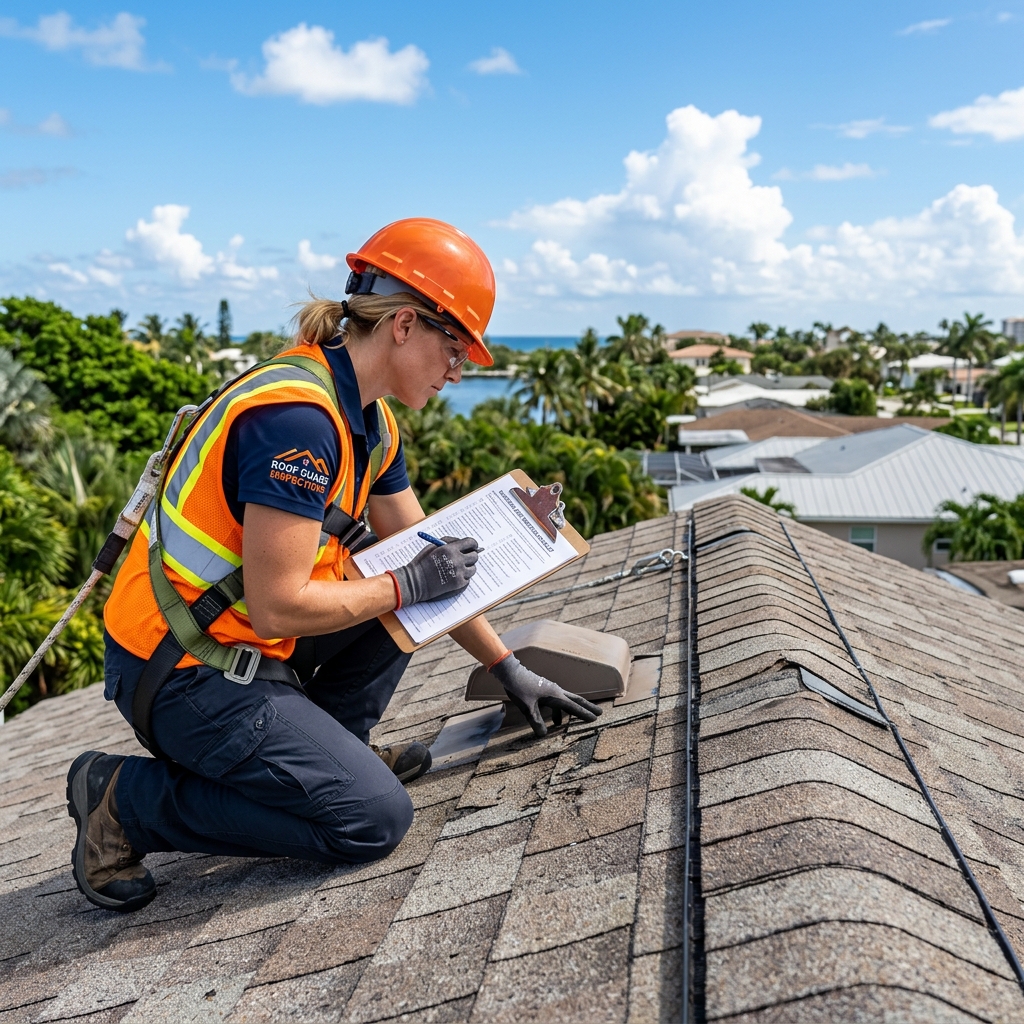
Scheduling a professional roof inspection in South Florida is a critical preventive measure that keeps your home safe and dry. Because our region experiences extreme weather, including intense tropical storm winds and constant UV rays, regular assessments help identify minor damage before it becomes a costly leak. Homeowners should arrange a professional inspection at least once a year, preferably before the active summer hurricane season starts.
The Structural Stakes of Proactive Roof Inspections
A roof does not simply fail overnight; it degrades gradually due to environmental exposure. By the time a visible water spot appears on your ceiling, water has already penetrated your underlayment, soaked your insulation, and begun rotting your wooden roof decking. In Fort Lauderdale's humid climate, damp attic spaces quickly become breeding grounds for structural mold, which compromises indoor air quality and requires expensive remediation. Regular inspections act as an early warning system, allowing homeowners to repair small problems like cracked flashing or lifted shingles before they lead to systemic failure. Proactive maintenance preserves your roof's warranty and ensures your home remains storm-ready.
Evaluating the Waterproof Integrity of Underlayment
While shingles or tiles serve as the visible outer layer, the underlying waterproof barrier is your home's true line of defense against driving rain. Inspectors check for tears, wear, or shifting in the underlayment, which can occur as your house naturally settles over time or experiences severe wind uplift.
Examining Roof Penetrations and Flashing Joints
Flashing is the metallic barrier installed around high-risk areas like vents, pipes, valleys, and chimneys. If the flashing rusts or its industrial sealant cracks due to constant heat exposure, rain will easily find a pathway into your ceiling structure.
Identifying Wind Damage on Shingles or Tiles
High-velocity storm winds put extreme pressure on the edges of your roof. Inspectors search for shingles that have lost their adhesive seal or have cracked underlayment, as well as concrete tiles that have loosened, which can quickly blow off during a hurricane.
The South Florida Climate and HVHZ Code Compliance
Fort Lauderdale is situated inside Broward County’s High Velocity Hurricane Zone (HVHZ), which dictates some of the most stringent building codes in the country. Regular roof inspections ensure your roofing system remains compliant with the Florida Building Code’s wind-resistance standards. Under local rules, if an inspection reveals that water damage affects more than 25 percent of a roof section, a complete roof replacement is legally required rather than a minor patch. Certified roof inspectors provide the precise wind-mitigation documentation that insurers require to maintain coverage and that municipal building departments demand when issuing active permits.
What to Do Next — Practical Steps for Homeowners
- Schedule an Annual Professional Evaluation: Arrange for a licensed and insured contractor to perform a detailed physical roof and attic inspection before hurricane season begins.
- Clear Tree Branches Away From Your Roof: Trim back overhanging tree limbs to prevent them from scraping your roof surface or falling during high-velocity winds.
- Clean Gutters and Downspouts Regularly: Ensure your drainage systems are free of leaves, pine needles, and granules to prevent rainwater from backing up under your roof line.
- Document and File All Inspection Reports: Keep a dedicated file of certified inspection findings, photographs, and repair invoices to verify routine maintenance for your home insurance carrier.
- Verify Contractor Licenses and Insurance: Confirm that any inspector or repair technician holds active state certifications, such as licenses CCC1329271 or CGC1517295.
Frequently Asked Questions
How much does a professional roof inspection cost in Fort Lauderdale?
A professional roof inspection in Broward County typically costs between $150 and $450 depending on the size, pitch, and material of your roof. Standard assessments, which provide detailed photographic documentation and structural evaluations, are an invaluable investment that helps homeowners avoid thousands of dollars in hidden water damage. At Planet Roofing, we provide detailed, high-quality inspections to give homeowners complete peace of mind.
How long does a standard residential roof inspection take to complete?
A thorough residential roof inspection generally takes between one to three hours depending on the complexity and size of the home. During this time, the technician will examine the outer roof surface, inspect the flashing and valleys, check the gutters, and perform a detailed physical examination of the attic space to identify any hidden signs of water intrusion.
Can a homeowner perform a safe and effective roof inspection themselves?
Homeowners should avoid climbing onto their roofs to perform inspections due to the extreme risk of falling and the potential to cause accidental damage to fragile tiles or shingles. Professional inspectors are trained in safety protocols and possess the specialized moisture detection equipment required to identify hidden underlayment failures that are invisible to an untrained eye.
Is a wind mitigation inspection different from a standard roof inspection?
A wind mitigation inspection is a specialized assessment that focuses specifically on how well your roof is engineered to withstand hurricane-force winds, covering details like roof-to-wall connections, deck fastening patterns, and secondary water barriers. This inspection is typically requested by your insurance company to determine your eligibility for premium discounts, while a standard inspection focuses on general wear, leaks, and repair needs.
When should a roof inspection be scheduled after a major storm?
You should schedule a professional roof inspection immediately after any major storm or hurricane if you notice missing shingles, broken tiles, or interior water spots. Even if there are no obvious signs of water damage inside your living spaces, high winds can compromise seals and underlayments, making an early assessment crucial to prevent slow leaks from causing rot over time.