What Roofing Systems Suit Upscale Fort Lauderdale Golf Course Communities?
Homes in upscale Fort Lauderdale golf course communities require roofing systems that deliver a balance of sophisticated design and structural resilience. Due to strict homeowners association guidelines and the open, wind-swept geography of South Florida golf courses, selecting the proper materials is crucial. Homeowners must select certified, impact-resistant roofing that satisfies HOA aesthetic rules while withstanding intense sun, rain, and active hurricane seasons.
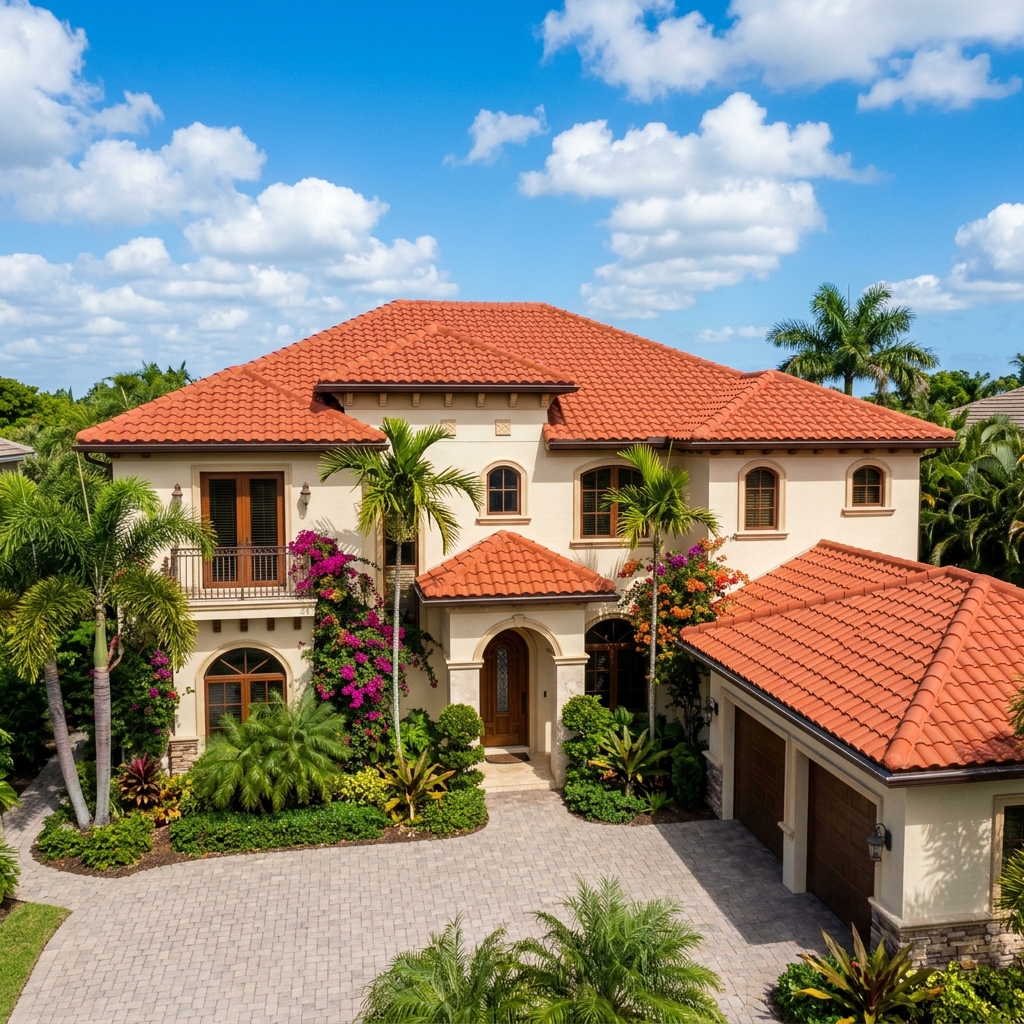
Roofing in Fort Lauderdale Golf Course Estates — What Makes This Area Different
Residential properties nestled along golf courses in Broward County face unique environmental factors that distinguish them from typical inland subdivisions. Because these estates sit adjacent to wide, unobstructed fairways, they experience higher wind shear and microburst wind speeds during severe storms, with no surrounding tree canopy to block flying debris. Furthermore, these exclusive neighborhoods—such as Coral Ridge Country Club, Landings, and Bay Colony—often feature diverse architectural styles ranging from Mediterranean Revival to Modern Coastal. This architectural variety requires a high level of aesthetic customization in material selection, as a new roof must enhance the estate's overall curb appeal while matching strict neighborhood standards.
The Most Common Roofing Issues in Fort Lauderdale Golf Properties
- Accelerated UV Deterioration: Open exposure to direct South Florida sunlight means roofing materials experience constant thermal expansion and contraction, which degrades underlayment adhesives and cracks sealants much faster than in shaded residential lots.
- Fairway Debris and Impact Damage: Golf estates adjacent to active play zones are highly susceptible to stray ball impacts, which can crack fragile clay tiles, dent thin metal panels, or scrape shingle protective granules, creating pathways for water entry.
- Wind-Driven Rain Intrusion: With no structural windbreaks nearby, heavy rains are driven horizontally against valleys and gables, putting immense pressure on flashing and requiring premium secondary water barriers.
- Discharge and Drainage Obstruction: Massive roof structures common in these golf course neighborhoods generate substantial rainwater runoff, meaning that any gutter blockage from pine needles or foliage will lead to wood rot along the fascia and soffits.
Roofing Permits and Codes in the City of Fort Lauderdale
Executing any roofing work within Fort Lauderdale golf communities requires navigating municipal permitting processes and strict HVHZ engineering requirements. The City of Fort Lauderdale Building Department mandates that all roofing plans must submit signed and sealed engineering documents demonstrating compliance with local wind load requirements. Planet Roofing holds active state licensing, specifically CCC1329271 and CGC1517295, and manages the entire municipal permitting process from initial submission through final engineering inspections. This hands-on approach ensures your new roof complies with all local laws and receives the official documentation needed to lower your wind mitigation insurance premiums.
Planet Roofing's Work in Fort Lauderdale
Our experienced crews have completed numerous high-profile roof replacements and repairs throughout Broward County’s premier neighborhoods, including estates surrounding the Coral Ridge Country Club and nearby golf developments. We specialize in installing premium concrete tile, high-performance shingle, and engineered metal systems that are meticulously tailored to fit specific HOA covenants. We ensure that every project utilizes premium materials from leading manufacturers like GAF, CertainTeed, and Owens Corning, backed by robust manufacturer-backed warranties.
Frequently Asked Questions
What roofing materials are most suitable for Fort Lauderdale golf course estates?
The most suitable materials are concrete tile, standing seam metal, and heavy-duty architectural shingles, as they offer the ideal blend of durability and upscale appearance. Concrete tile is highly recommended for traditional Mediterranean designs, while standing seam metal is ideal for Modern Coastal homes due to its clean lines and superior wind resistance.
How much does a typical roof replacement cost in upscale Fort Lauderdale neighborhoods?
A roof replacement for a premium golf course estate in Broward County typically ranges from $15,000 for high-performance architectural shingles to $35,000 or more for custom tile or thick metal systems, depending on the property's size and complexity. Custom roof deck repairs, premium underlayments, and HOA-specific color matches can also influence the total project investment.
What permit requirements apply to roofing projects in Fort Lauderdale?
All roofing projects in Fort Lauderdale require an active building permit issued by the municipal building department, which confirms the system is engineered for local wind speeds. The permit application must include detailed material specifications, wind-load calculations, and product approvals to verify compliance with the strict High Velocity Hurricane Zone building codes.
Does homeowners insurance cover golf ball damage to residential roofs?
Most standard Florida homeowners insurance policies will cover roof repairs for accidental damage caused by stray golf balls, provided the impact compromises the structural integrity of the roof barrier. Homeowners should document cracked tiles or damaged shingles immediately with high-resolution photos and have a licensed contractor inspect the roof deck to prevent leaks before filing an insurance claim.
How does Planet Roofing ensure compliance with local homeowners association rules?
Our team coordinates directly with your homeowners association by providing all necessary engineering specifications, material samples, manufacturer brochures, and color swatches required for formal architectural review committee approval. This thorough preparation ensures your project is approved quickly, avoiding neighborhood disputes or municipal delays.