How Do You Know When Your Roof Needs Replacing in South Florida?
Deciding to replace your roof in Fort Lauderdale is a significant decision that protects your property, family, and investments from severe weather. While minor wear can often be resolved with professional repairs, certain warning signs indicate that a complete replacement is the only safe and cost-effective solution. Recognizing these factors early helps prevent catastrophic water damage and ensures compliance with strict local building codes.
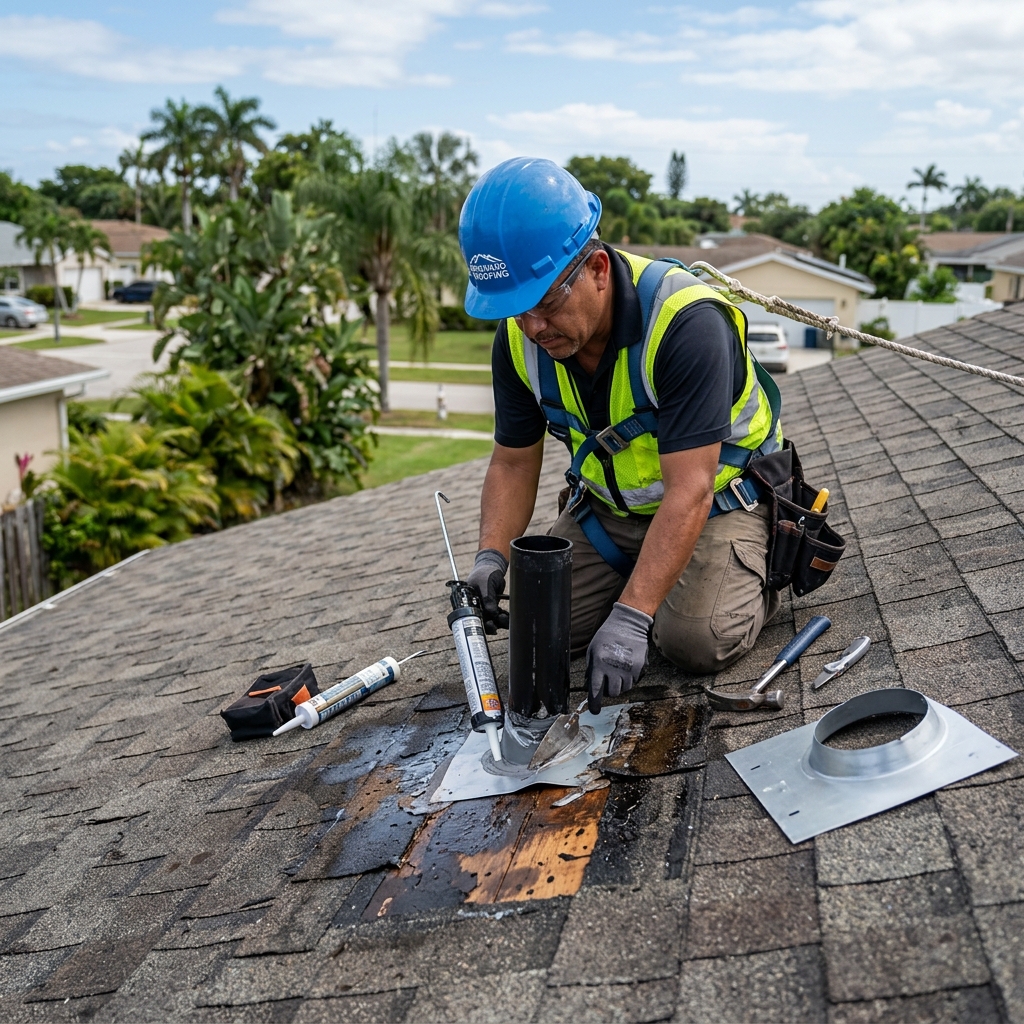
The Financial and Safety Stakes of a Failing Roof System
A roof that has surpassed its serviceable lifespan becomes a liability during South Florida’s active storm seasons. When sub-roof membranes and sealing components degrade, water penetrates deep into structural framing, leading to rotted wood decking and compromised attic insulation. Delaying a necessary replacement can result in high recurring repair fees and may even jeopardize your property insurance coverage, as many Florida insurers now refuse to renew policies on roofs older than fifteen years. Investing in a brand-new, code-compliant roofing system is a practical choice that safeguards your home’s structural integrity and preserves its market value.
Widespread Organic Aging and Material Decay
As roofing materials face years of intense UV rays and high humidity, they lose their structural elasticity and wind resistance. For shingles, this manifests as granule loss and curling; for concrete tiles, it appears as cracking and porous water absorption. Once these signs of organic wear are widespread, individual repairs are no longer viable.
Recurrent Leaks and Active Water Penetration
While a single isolated leak is typically straightforward to patch, multiple active leaks in different areas indicate systemic failure of the underlayment. Water that slips past the surface barrier pools on your roof decking, eventually rotting the plywood and dripping onto your ceiling drywall.
Severe Structural Storm Damage After Hurricanes
High-velocity winds can lift metal panels, break concrete tiles, or strip away large sections of shingles, exposing the underlying waterproof barrier to driving rain. If the primary underlayment is torn or compromised by flying debris, water intrusion is immediate and severe, requiring a full system replacement to restore wind and water protection.
Meeting Fort Lauderdale HVHZ and Permit Standards
The city of Fort Lauderdale is located inside Broward County’s High Velocity Hurricane Zone (HVHZ), which dictates some of the most rigorous wind-resistance and engineering standards in the United States. Under the Florida Building Code, any roof replacement must utilize approved wind-mitigation fastening patterns, impact-rated materials, and self-adhering secondary water barriers. Additionally, local regulations state that if more than 25 percent of a roof is damaged or repaired within a 12-month period, the entire system must be updated to meet the latest code requirements to guarantee your home remains storm-ready.
What to Do Next — Practical Steps for Homeowners
- Schedule a Professional Roof Assessment: Arrange for a licensed technician to walk your roof and examine the attic spaces to identify signs of structural wear.
- Review HOA Color and Material Rules: Consult your local homeowners association guidelines to select approved roofing profiles, metal panel styles, or tile colors before finalizing your project plans.
- Obtain Detailed Written Project Estimates: Request detailed proposals from qualified local contractors outlining the scope of work, permit fees, material warranties, and project timelines.
- Compare Practical Payment and Financing Solutions: Ask your roofing contractor about flexible financing programs, PACE assessments, or state-supported grants like My Safe Florida Home.
- Verify Contractor Licenses and Credentials: Ensure your chosen contractor holds active state licenses (such as CCC1329271 or CGC1517295) and carries full liability coverage.
Frequently Asked Questions
How much does a complete residential roof replacement cost in Fort Lauderdale?
The investment for a new roof in Broward County typically ranges from $8,000 for standard shingles to $25,000 or more for premium tile or standing seam metal systems, depending on the size and slope of your home. Factors like replacing rotted wood decking, installing upgraded underlayments, and obtaining local permits also influence the final cost. To make this investment manageable, Planet Roofing offers flexible, budget-friendly financing options for qualified property owners.
How long does the roof replacement process take from start to finish?
The physical installation of a new roof in South Florida generally takes between two to five days of active work on site, depending on the roof type and weather conditions. However, the entire project timeline—including initial inspections, HOA approvals, county permits, material delivery, and municipal inspections—usually spans four to eight weeks, making early planning essential.
Can a homeowner perform a DIY roof replacement to save on labor?
Homeowners should never attempt to replace a roof themselves due to the extreme danger of falls, the complexity of local HVHZ building code regulations, and the risk of voiding manufacturer warranties. A professional roof installation requires specialized tools, heavy equipment, and experienced crews to ensure the system is completely watertight and passes strict municipal safety inspections.
Is a roof replacement covered by Florida homeowners insurance policies?
Your insurance carrier will generally pay for a new roof if the replacement is necessitated by sudden, accidental storm damage from wind, hail, or fallen trees during a covered event. Insurance policies typically exclude roofs that need replacement due to normal age-related wear, lack of routine maintenance, or gradual deterioration, which are considered the homeowner’s responsibility.
When is the most suitable time of year to replace a roof in South Florida?
The dry winter and spring months—specifically from November through April—are the ideal times to replace a roof in Fort Lauderdale, as the weather is stable with minimal rain and cooler temperatures. While roofing crews work year-round, scheduling your project outside of the active summer hurricane season reduces the risk of storm-related delays and protects your open home from unexpected tropical downpours.