Selecting the ideal roofing material for your South Florida property involves balancing hurricane wind resistance, long-term durability, and architectural style. Fort Lauderdale homeowners can choose from premium options like metal roofing, concrete tiles, and clay systems to withstand extreme High Velocity Hurricane Zone winds. Understanding the performance profiles of each material ensures a secure, long-lasting investment for your home.
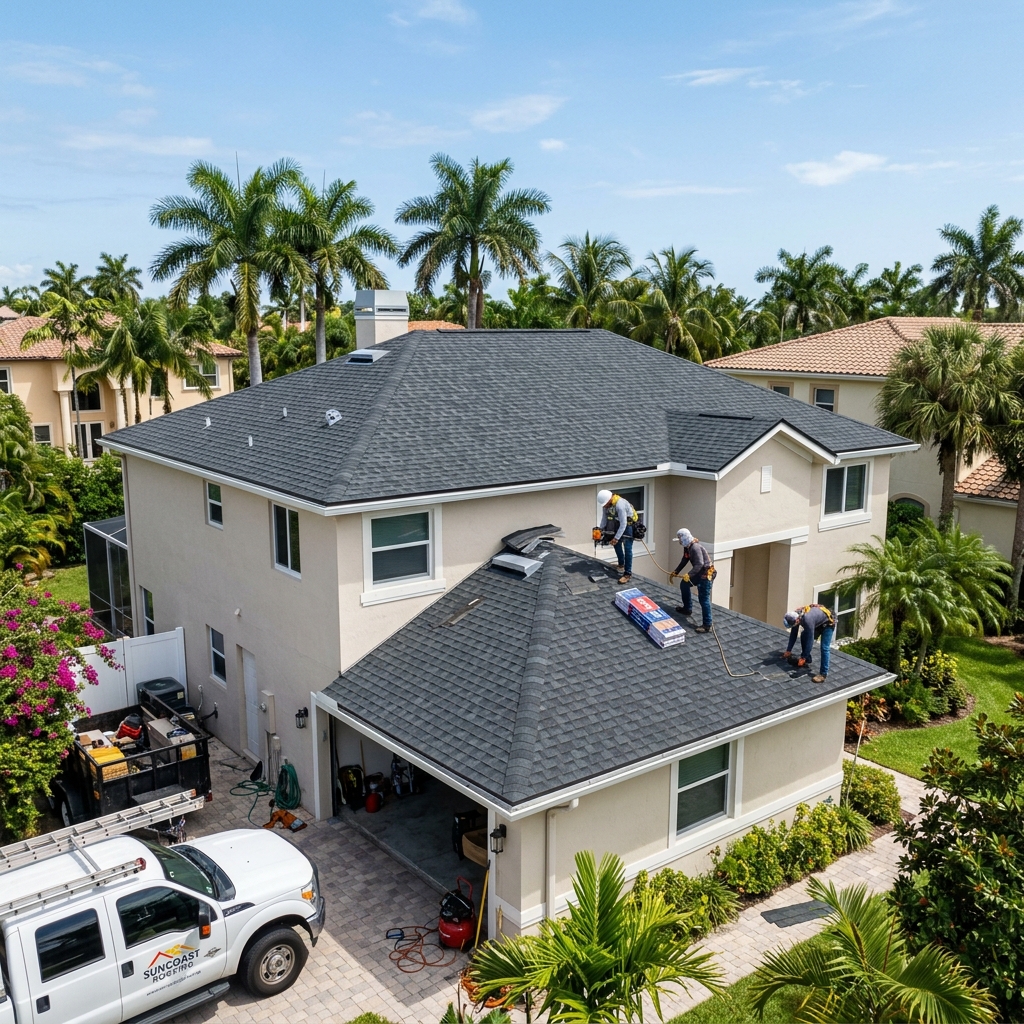
How Do You Choose the Right Roofing Material in Broward County?
Selecting a new roof is one of the most significant financial investments a property owner will make. In Fort Lauderdale, the stakes are elevated because of intense summer heat, frequent downpours, and the threat of tropical storms. Homeowners must evaluate how different materials resist high wind speeds, reflect solar heat, and perform under heavy rain. Choosing an incorrect or low-durability material can lead to premature failure, structural water intrusion, and astronomical home insurance premiums under strict Florida Building Code mandates.
Why Is Metal Roofing Highly Favored in South Florida?
Metal roofing, particularly standing seam panels, offers exceptional resistance to hurricane-force winds up to 140 miles per hour and salt-laden sea air. Its reflective surface bounces solar radiation away from the building, which helps reduce cooling costs during humid summer months. Homeowners enjoy a lifespan of 50 to 70 years when the system is installed by a licensed professional.
What Are the Benefits of Concrete and Clay Tiles?
Concrete and clay tiles are iconic Mediterranean style elements that provide outstanding durability and natural insulation. These heavy-duty materials resist rot, fire, and insect infestations, making them ideal for South Florida's damp and warm environment. Their thermal mass helps regulate indoor temperatures, though they require a reinforced roof deck to support their significant weight.
How Do High-Quality Asphalt Shingles Perform?
Dimensional asphalt shingles are a cost-effective choice that provides solid wind resistance and a wide array of color designs. Modern fiberglass asphalt shingles are engineered to meet strict High Velocity Hurricane Zone requirements when secured with specific pattern nailing techniques. While they have a shorter lifespan of 15 to 20 years, their straightforward installation makes them highly popular.
What Are the Advantages of Modern Flat Roof Systems?
Flat roofing systems, including TPO and modified bitumen membranes, are essential for modern residential structures and commercial buildings. These materials feature heat-welded seams that create an impermeable barrier against standing water and heavy rain. When properly coated, they reflect solar heat and prevent water pooling, which is a major concern in Broward County.
Why Consider Stone-Coated Steel Panels?
Stone-coated steel panels combine the lightweight benefits of steel with the aesthetic appeal of traditional tile or wood shakes. This innovative material features an acrylic-coated stone granule surface that resists UV damage and severe impact. Its interlocking installation pattern provides exceptional wind uplift resistance, making it an excellent choice for local storm prep.
Meeting High Velocity Hurricane Zone Building Standards
The Florida Building Code dictates that all roofing systems installed in Fort Lauderdale must satisfy High Velocity Hurricane Zone criteria. This requires rigorous wind-tunnel testing, certified product approvals, and specific fastener counts. Broward County permits will not close unless the underlayment, flashing, and main coverings are verified to withstand extreme coastal wind velocities, emphasizing the need for professional installation.
How to Select and Install Your Next Roofing System
- Evaluate Structural Support: Determine if your home's roof deck can support heavy clay or concrete tiles before purchasing materials.
- Review Wind Ratings: Ensure your selected roofing material has active Florida Product Approval numbers for high wind speeds.
- Check for Insurance Incentives: Ask your home insurance agent which roof materials qualify for the highest premium discounts.
- Schedule a Structural Audit: Have a professional verify the condition of your roof decking for mold or rot prior to installation.
- Request Professional Estimates: Gather detailed, itemized estimates from a licensed local roofing contractor.
- Verify License Registration: Confirm your contractor holds active Florida credentials, such as license numbers CCC1329271 and CGC1517295.
Frequently Asked Questions
What is the most durable roofing material for Fort Lauderdale homes?
Metal roofing and concrete or clay tile systems are the most durable options for South Florida properties. These premium materials easily withstand wind speeds up to 170 miles per hour and offer a lifespan of 50 to 70 years when properly installed.
How much does a typical roof replacement cost in Broward County?
A residential roof replacement in Broward County typically ranges from $10,000 for standard shingles to over $30,000 for premium tile or metal systems. Homeowners should request a detailed written estimate from a licensed contractor to understand exact costs based on roof pitch and size.
Can you install a new roof over your existing shingles?
No, the Florida Building Code strictly prohibits installing a new roof covering over an existing one in High Velocity Hurricane Zones. Contractors must completely tear off all old materials down to the plywood deck, repair any damaged wood, and install fresh underlayment.
Does a metal roof make your home cooler in South Florida?
Yes, metal roofs feature highly reflective coatings that bounce solar heat away from your home instead of absorbing it. This thermal efficiency can reduce your home's cooling costs by 10% to 25% during hot, sunny summer months.
Is Planet Roofing licensed to install all major roofing types?
Yes, Planet Roofing is a fully licensed contractor carrying active Florida licenses CCC1329271 and CGC1517295. The experienced team is certified to install standing seam metal, concrete tiles, asphalt shingles, flat membranes, and advanced waterproofing systems.